

Cold Weather / Ice Storm Disaster Relief Checklist
1. Pre-Storm Preparedness
Goal: Reduce risk and ensure readiness before freezing conditions begin.
People:
-
Emergency management coordinator
-
Shelter & logistics lead
-
Volunteer coordinator
-
Communications lead
-
Medical/first aid lead
Supplies:
-
Emergency food (non-perishable, no-cook options)
-
Bottled water (1 gallon per person per day)
-
Space heaters (approved for indoor use)
-
Extra blankets, sleeping bags
-
Flashlights, batteries
-
Portable phone chargers / power banks
-
Ice melt, shovels
-
Weather radios
-
First aid kits
-
PPE (gloves, thermal wear)
Actions:
-
Monitor weather alerts continuously
-
Identify warming centers and shelters
-
Test generators and fuel supply
-
Coordinate with utility companies
-
Notify volunteers and partner agencies
-
Identify vulnerable populations (elderly, disabled, unhoused)
-
Pre-stage supplies


2. Immediate Response (During Storm)
Goal: Protect life, prevent exposure, and maintain critical services.
Supplies:
-
Hot meals or warming beverages
-
Cots, mats, blankets
-
Generators and extension cords
-
Fuel (gas, propane, diesel)
-
Medications (basic emergency supply)
-
Snow removal equipment
-
Portable toilets (if utilities fail)
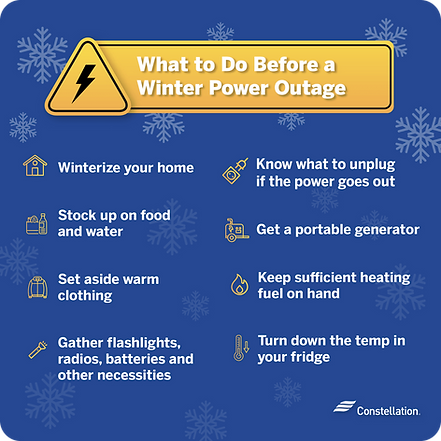

3. Health & Safety Priorities
Risks to Watch:
-
Hypothermia and frostbite
-
Carbon monoxide poisoning
-
Slips, trips, and falls
-
Power outages and frozen pipes
-
Medication interruptions
4. Communication & Coordination
Goal: Maintain accurate, timely information flow.
Actions:
-
Communicate with loved ones via text, social media, ect.
-
Share shelter locations and hours
5. Post-Storm Recovery
Goal: Help households safely return to normal operations.
People:
-
Friends and Neighbors
-
Damage assessment
-
Cleanup volunteers
Supplies:
-
Cleaning kits
-
Temporary heaters
-
Replacement food and water
-
Pipe insulation materials
-
Clothing and footwear
Actions:
-
Conduct damage and needs assessments
-
Assist with frozen pipe repairs
-
Distribute relief supplies
-
Offer emotional and spiritual care
6. Special Considerations
Rural Areas: Limited access, longer power outages
Urban Areas: Higher fall risk, shelter overcrowding
Schools & Childcare: Closures, heating failures
Pets & Livestock: Warming areas, food, water
7. Quick Reference: What Saves Lives Most
-
Heat
-
Shelter
-
Power
-
Food & Water
-
Clear Communication